
Full color and sepia REPRODUCTIONS / DIGITAL PRINTS now available in the STORE.
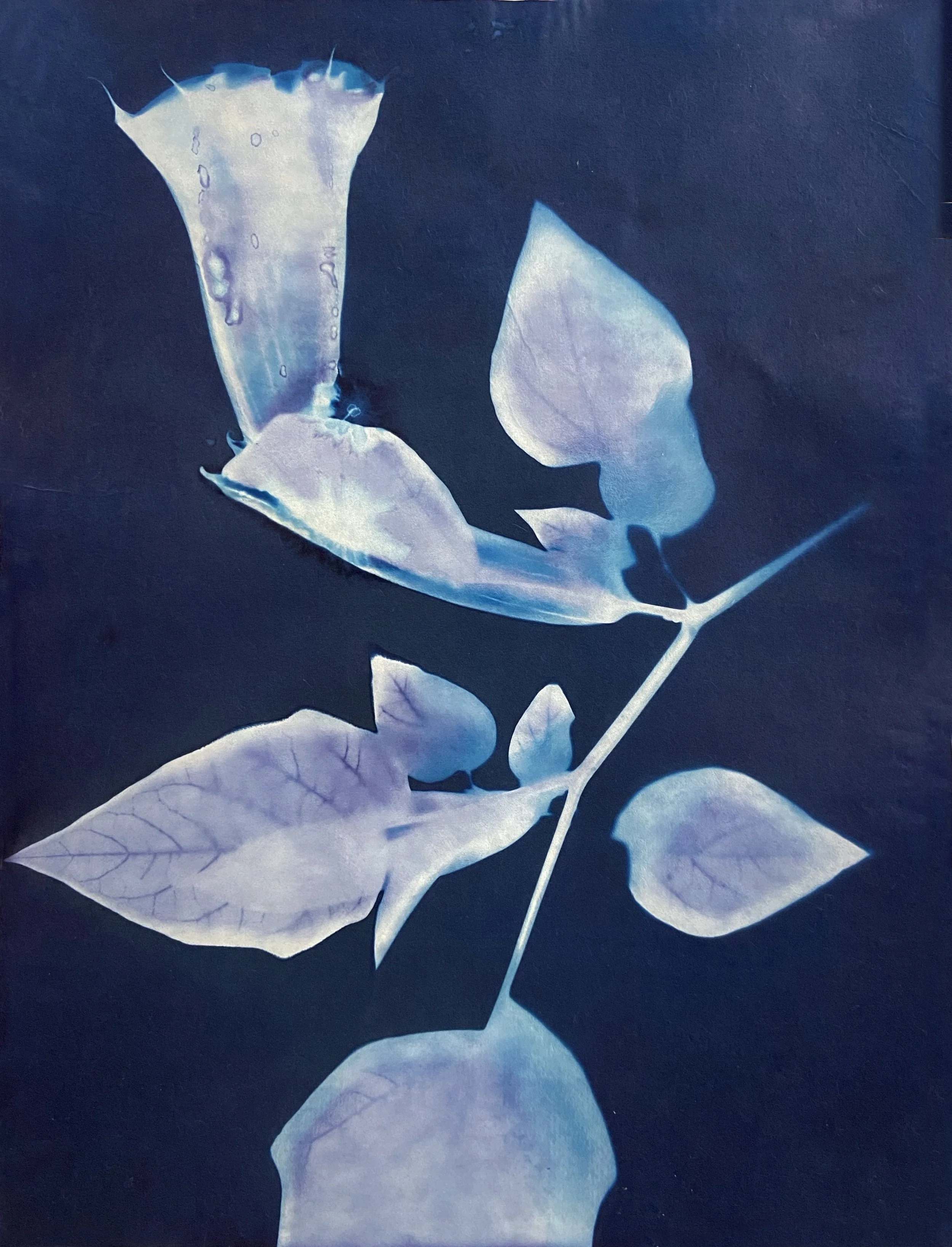
"260822 Datura"
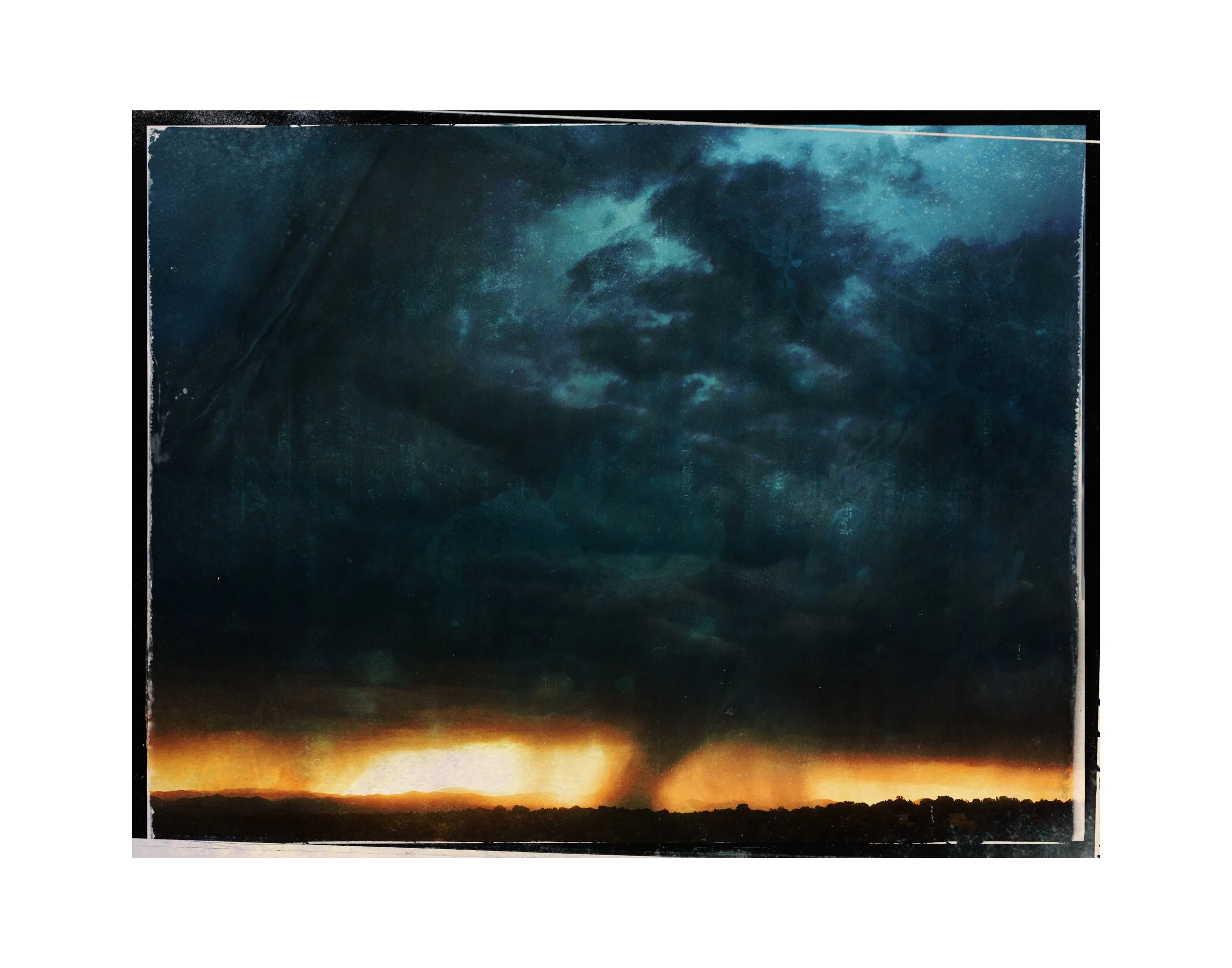
260820 Jemez Virga (Digital Color)
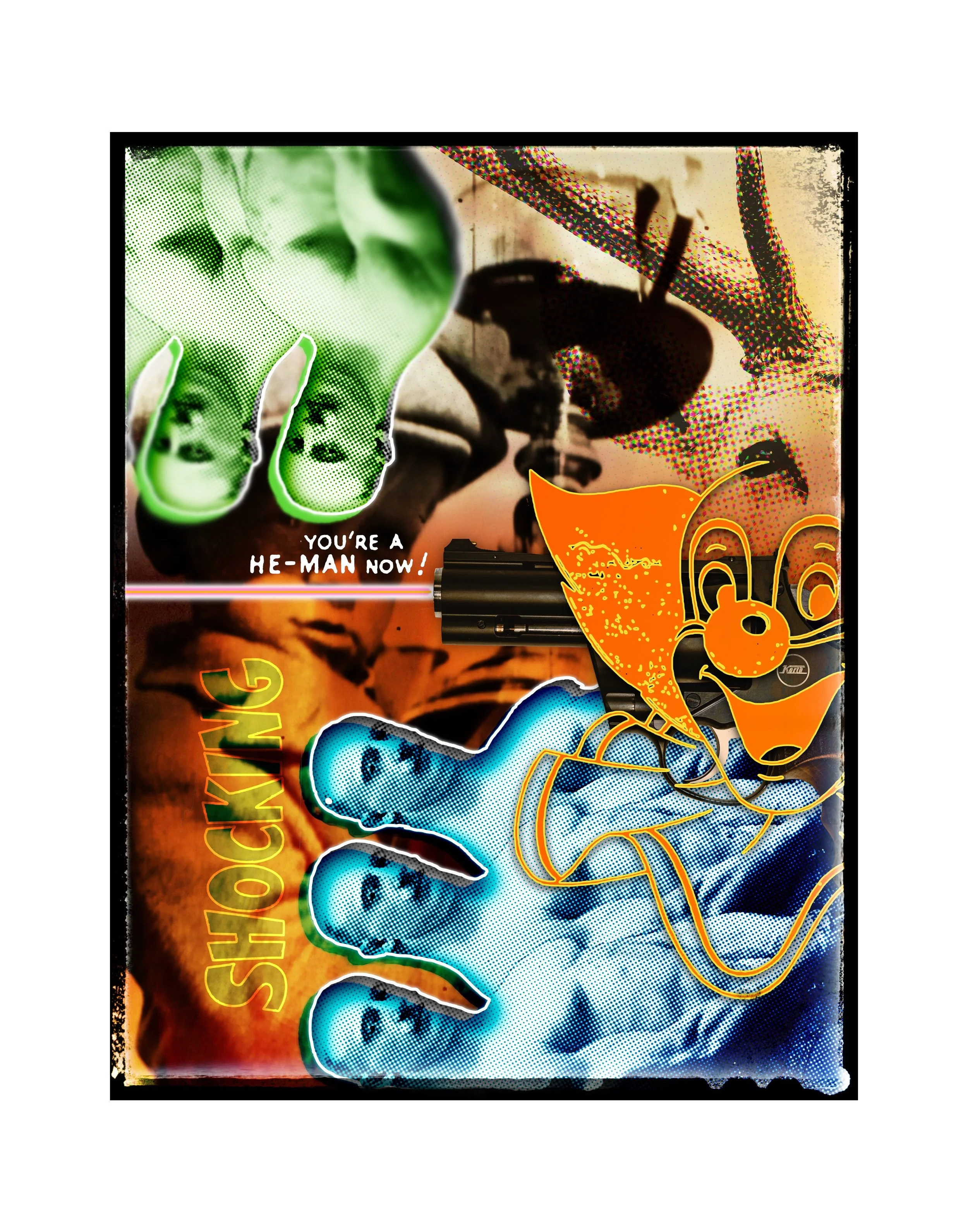
260815 Bozos Afire (Digital Color)
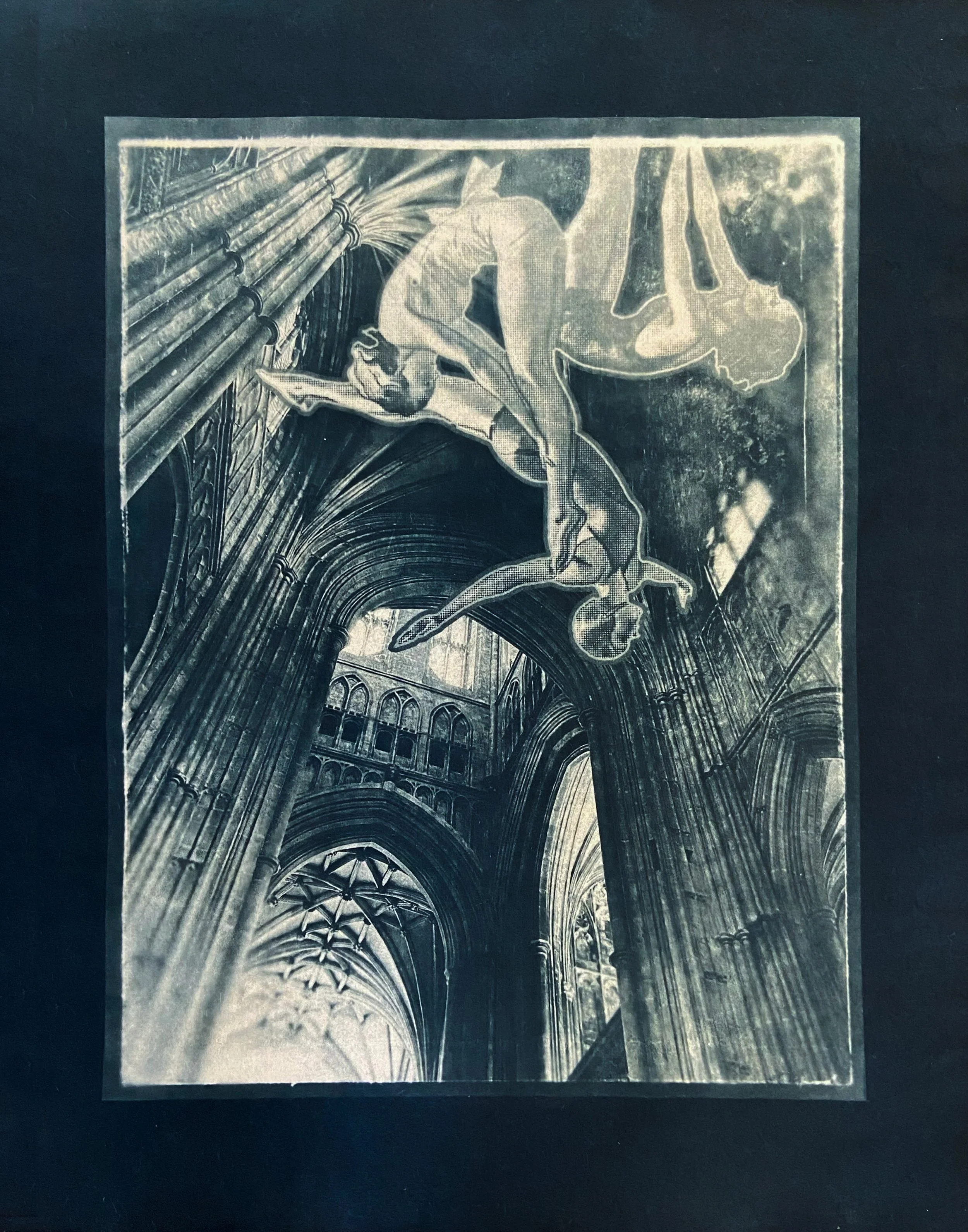
"260729 High Diving at Canterbury" - Cyanotype on Teabag Paper
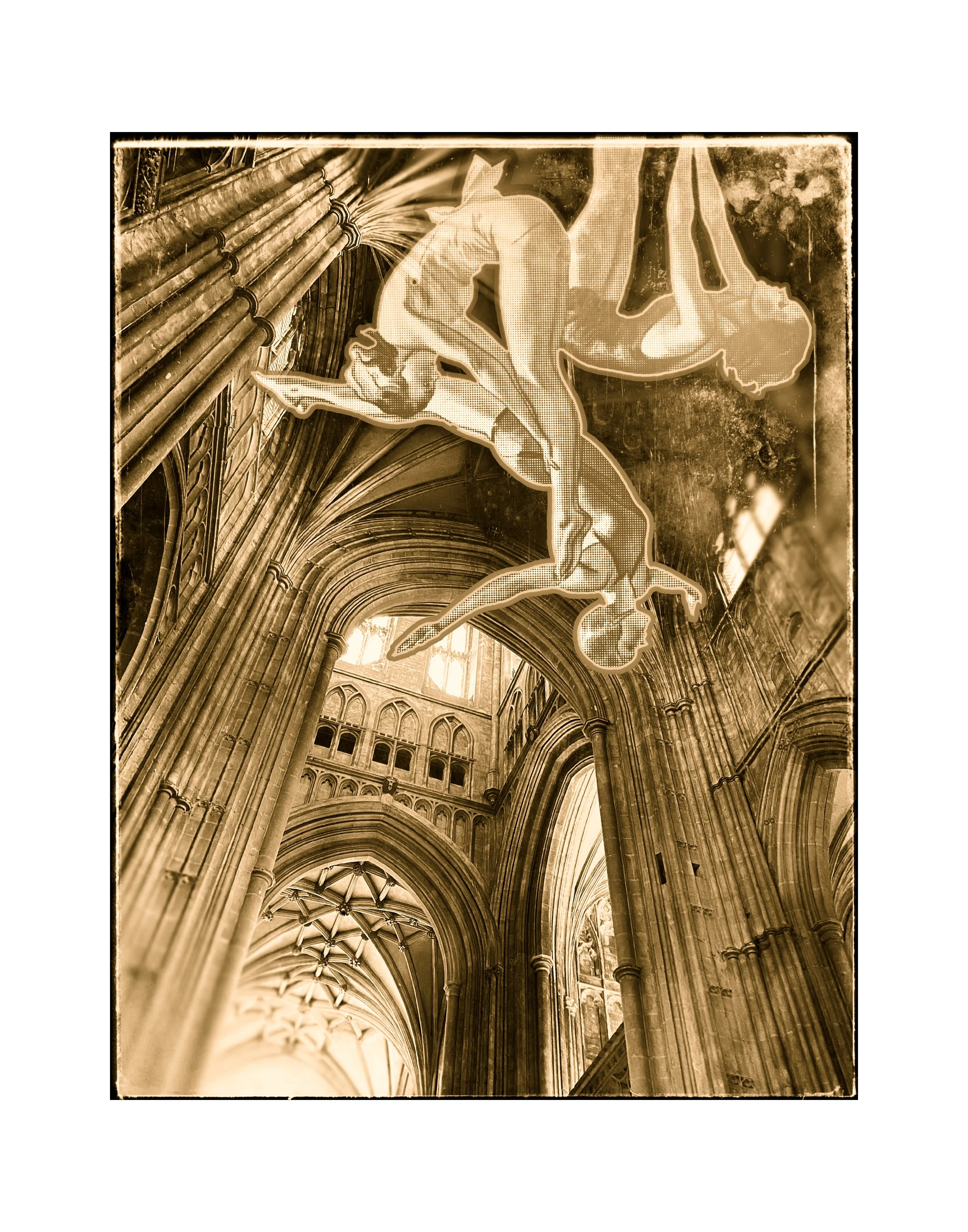
"260729 High Diving at Canterbury" - Sepia Digital Print

"260729 High Diving at Canterbury" - Color Digital Print

270622 Loop at Knockan Crag (Color Reproduction)
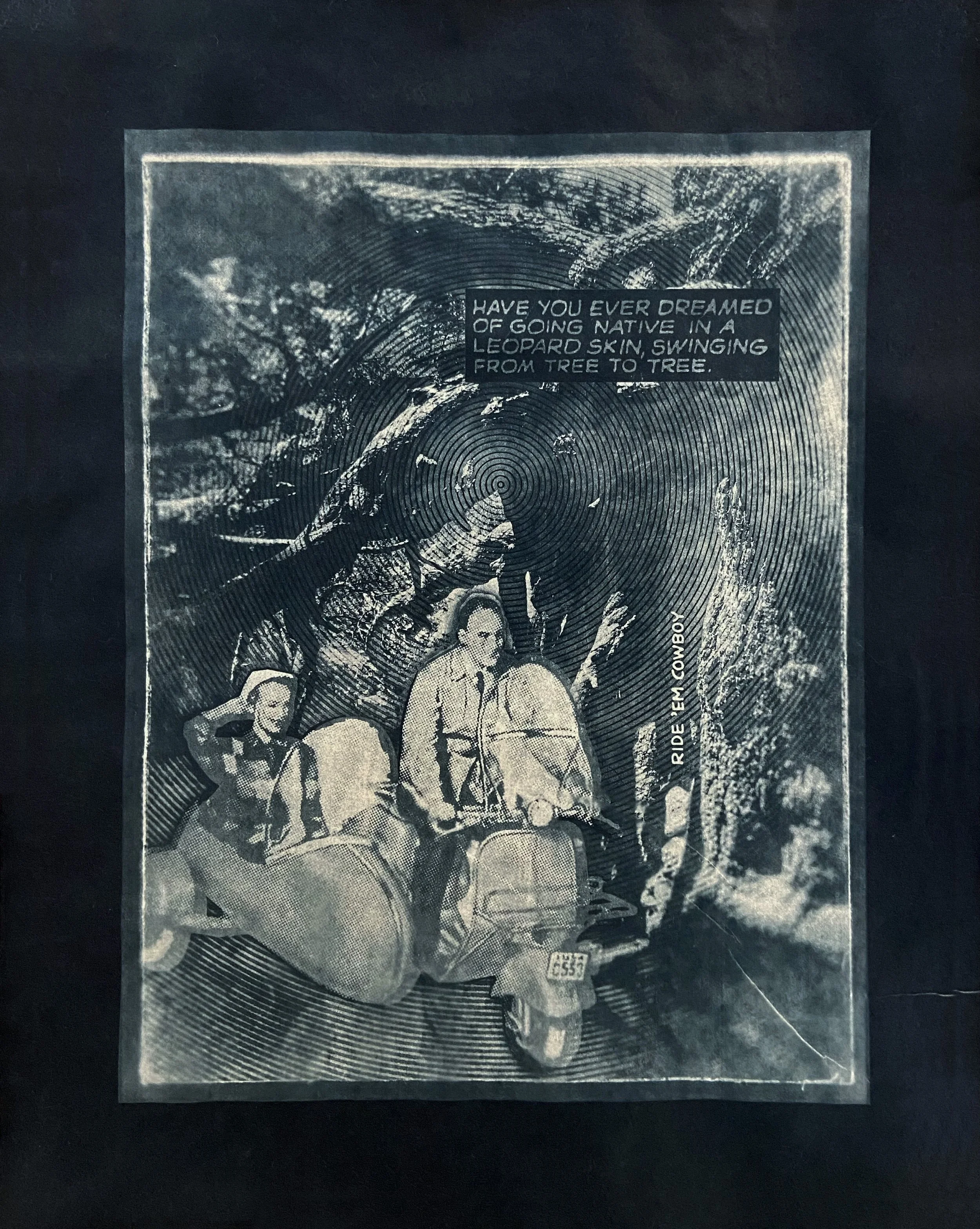

260711 I I Do Not Molest (Color Reproduction)
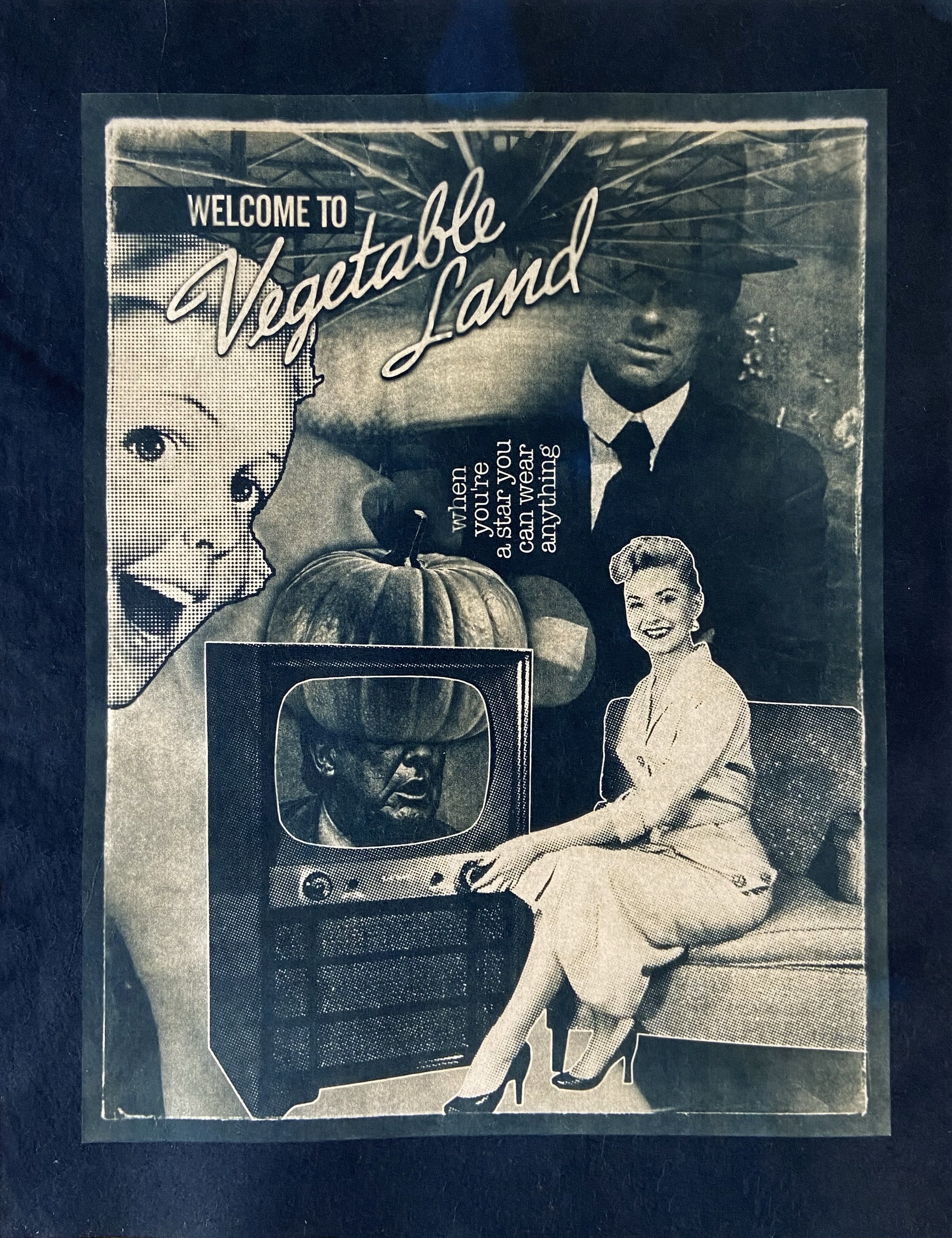
"260707 Being Us" - Cyanotype on Teabag Tissue - Yerba Mate Toned
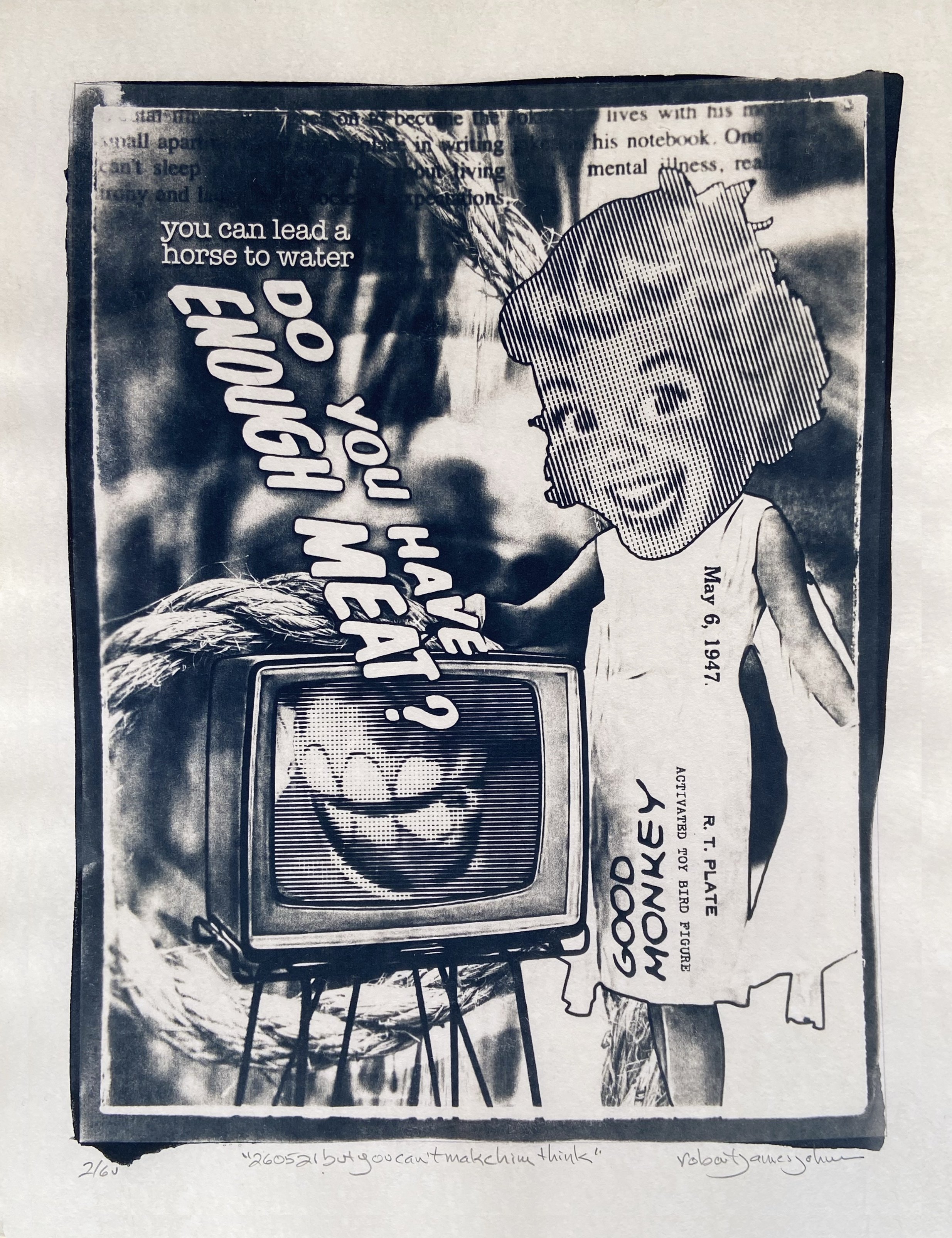
260521 But You Can't Make Him Think - Cyanotype on Paper - Coffee Toned
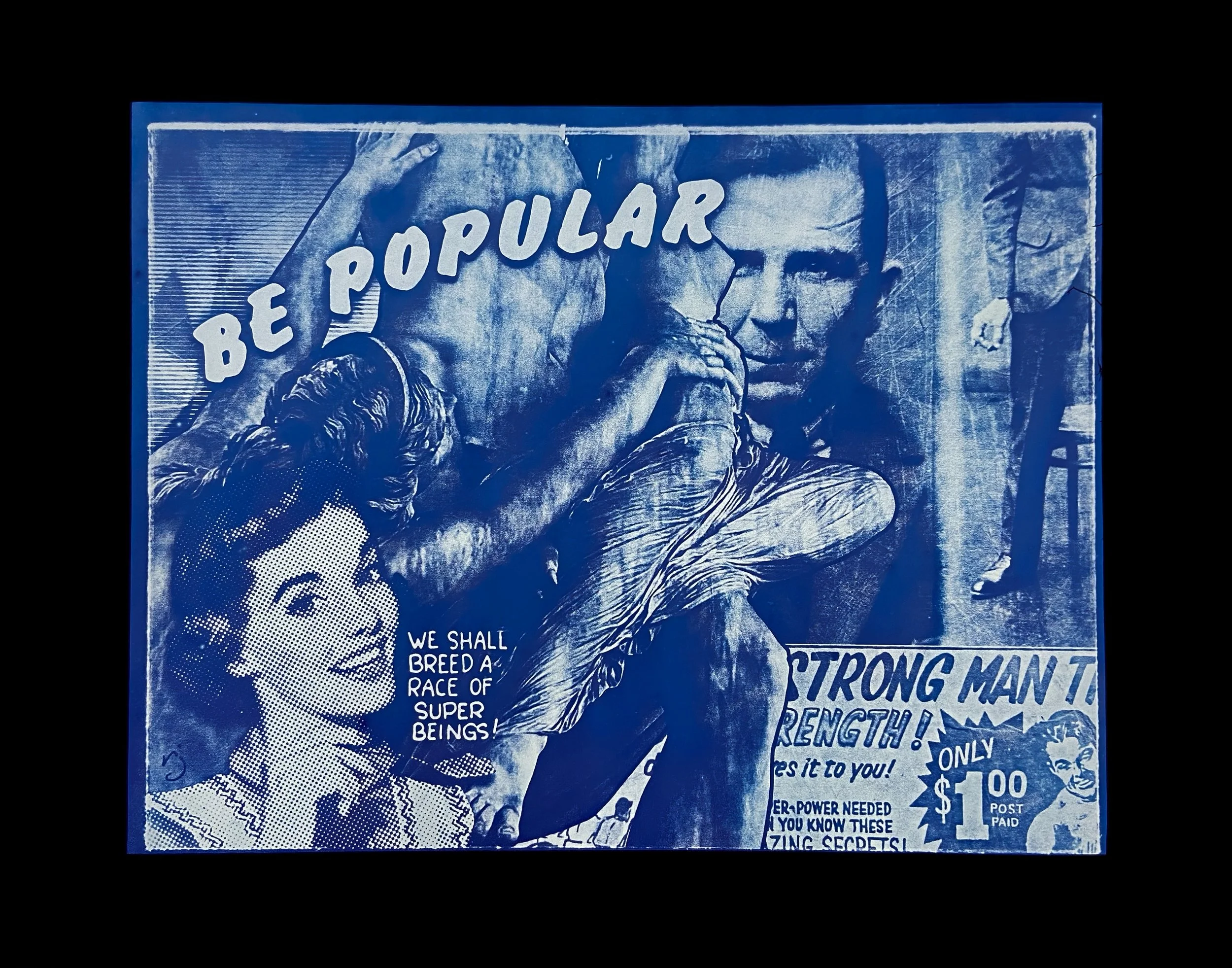
260507 Popular Man - Cyanotype on Glass
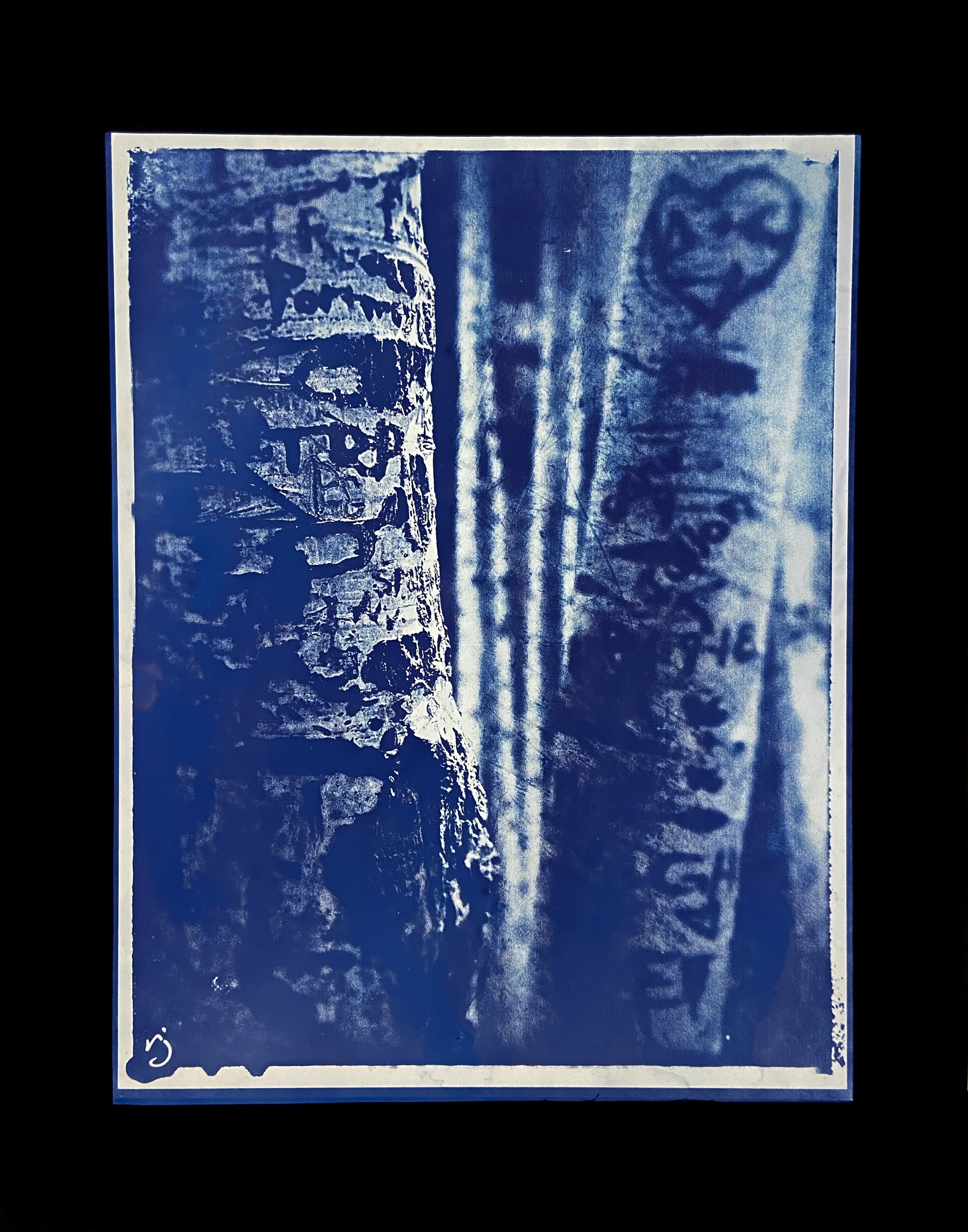
260427 Aspen's Aspens - Cyanotype on Glass
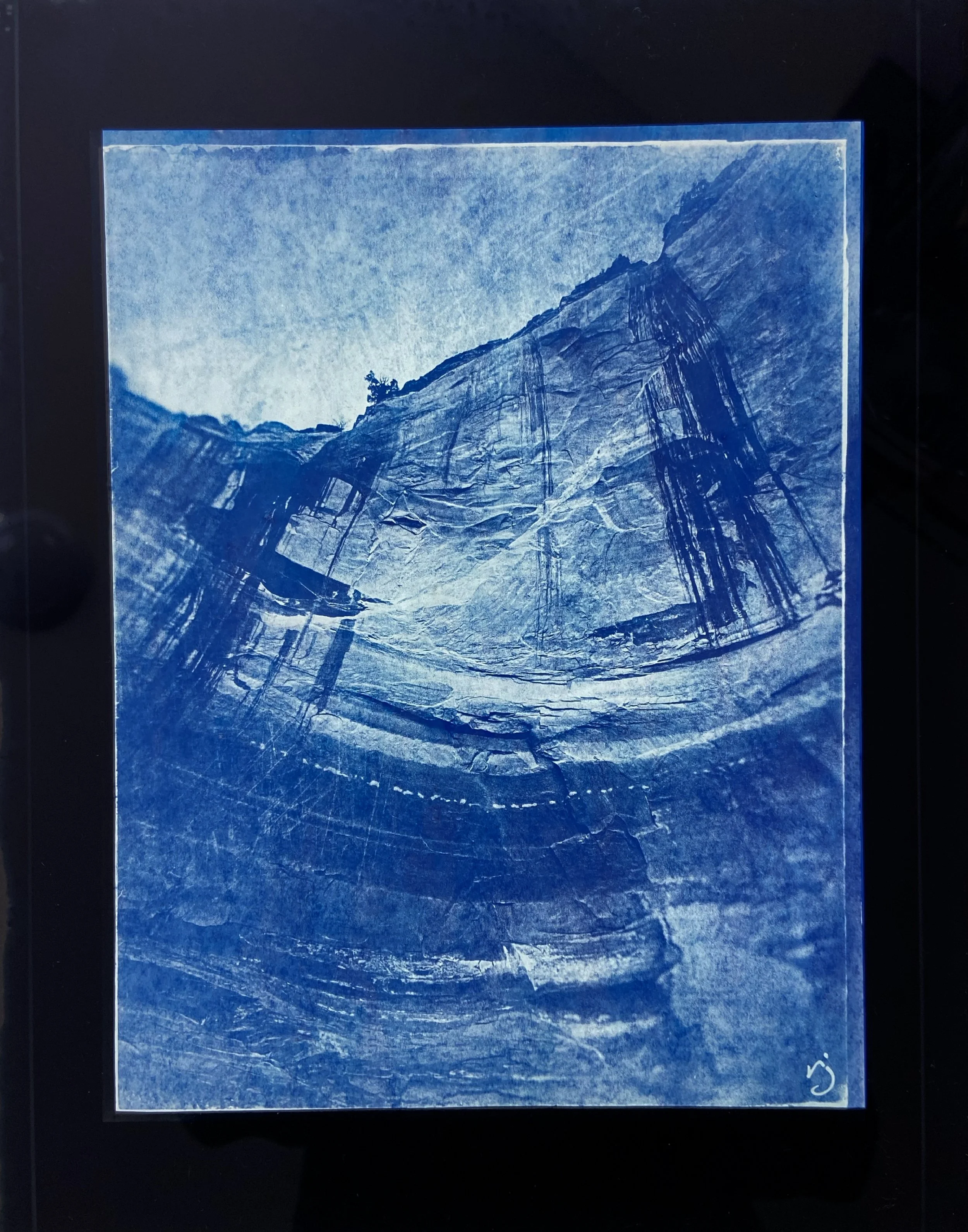
260425 Echo Amphitheater - Cyanotype on Glass
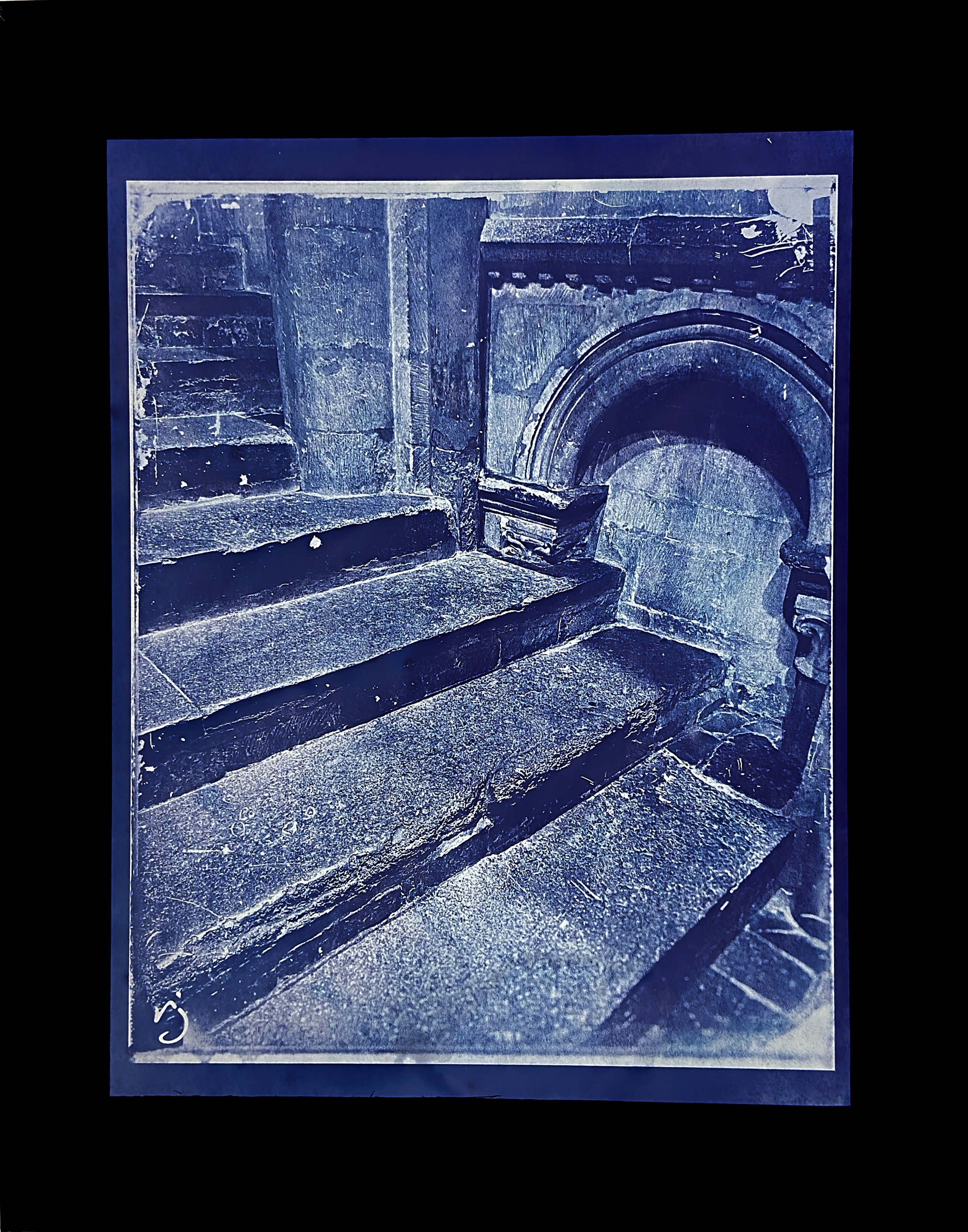
260510 Eight Steps at Canterbury - Cyanotype on Glass
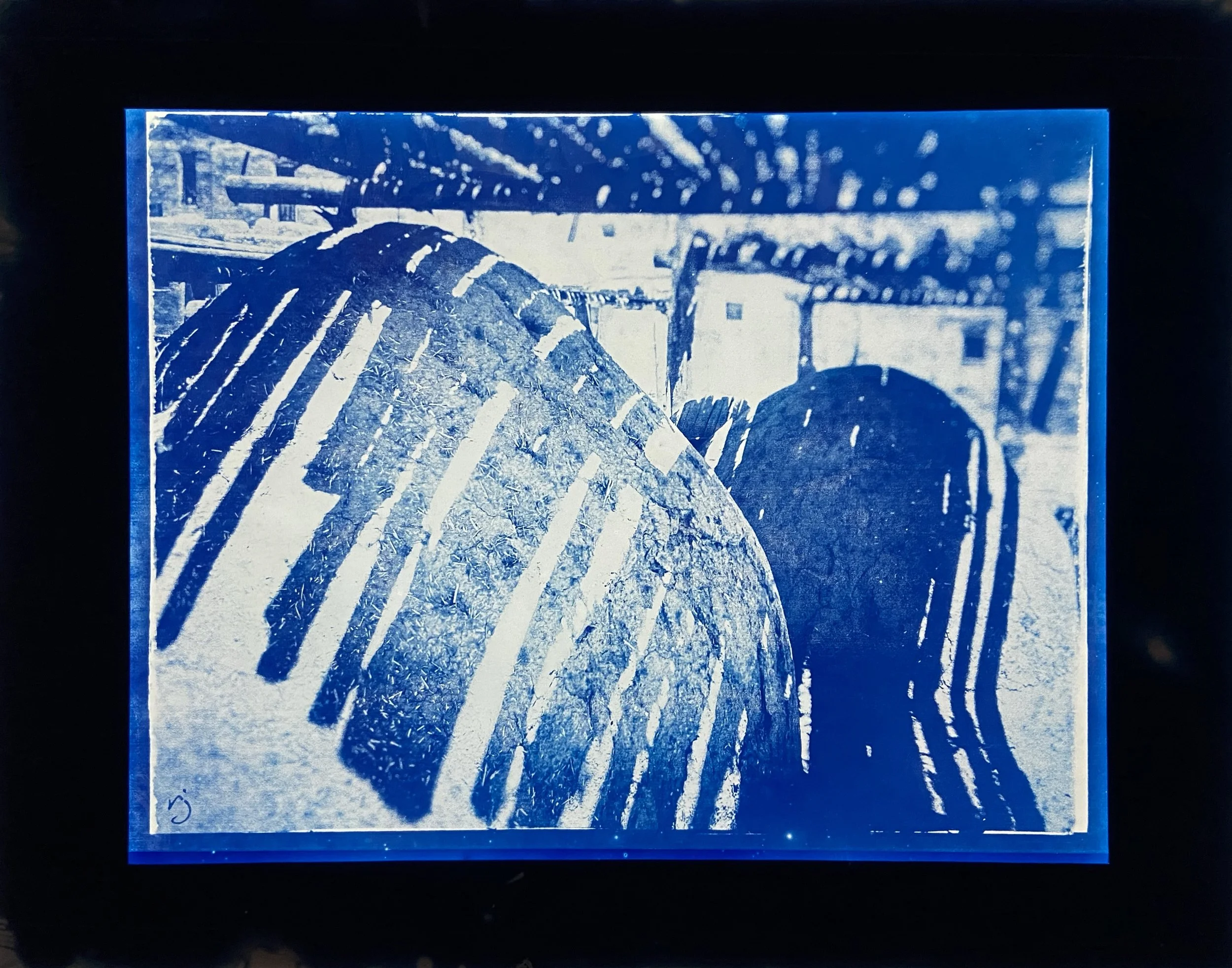
260419 Hornos Dos - Cyanotype on Glass
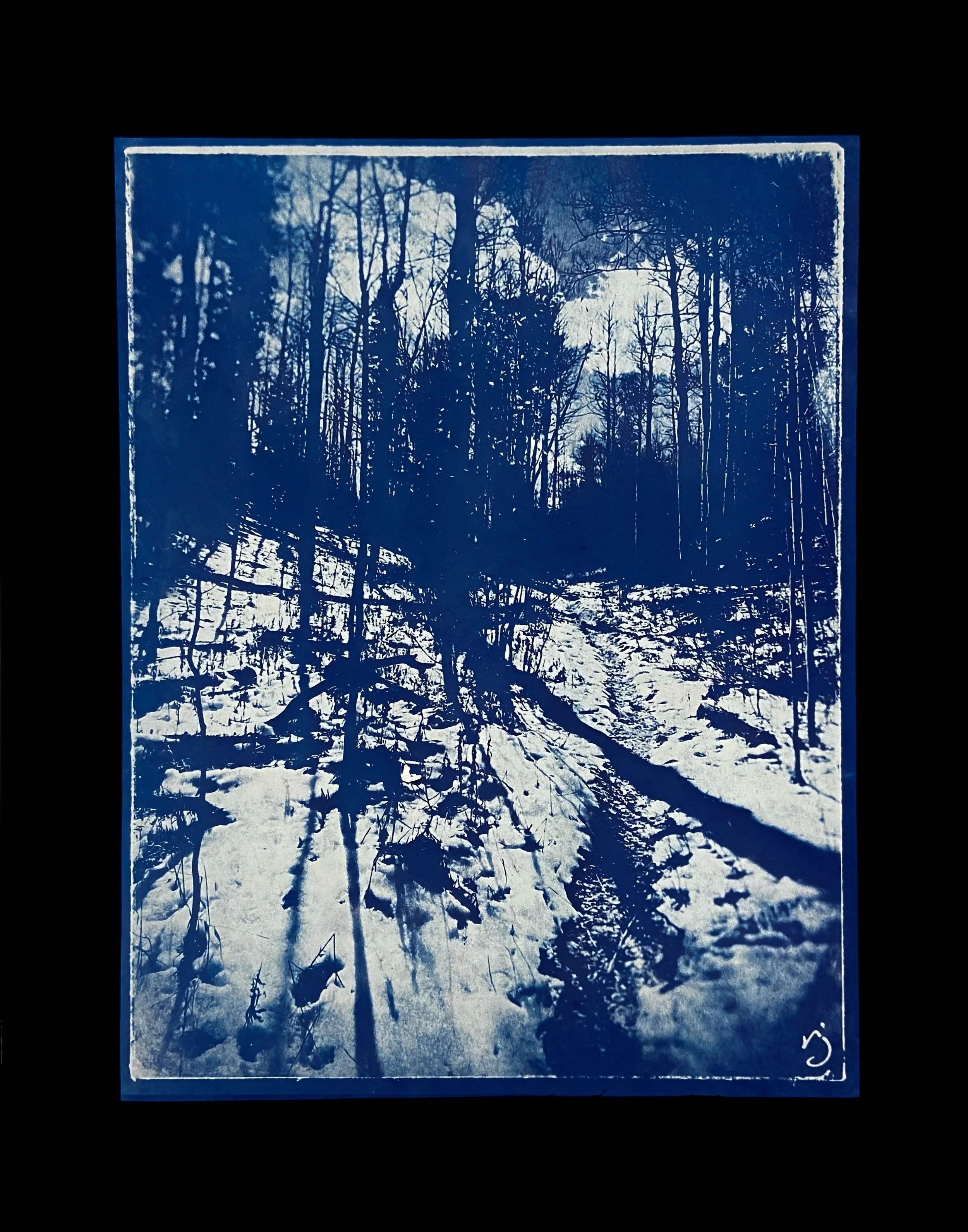
260425 One Path In The Snow - Cyanotype on Glass
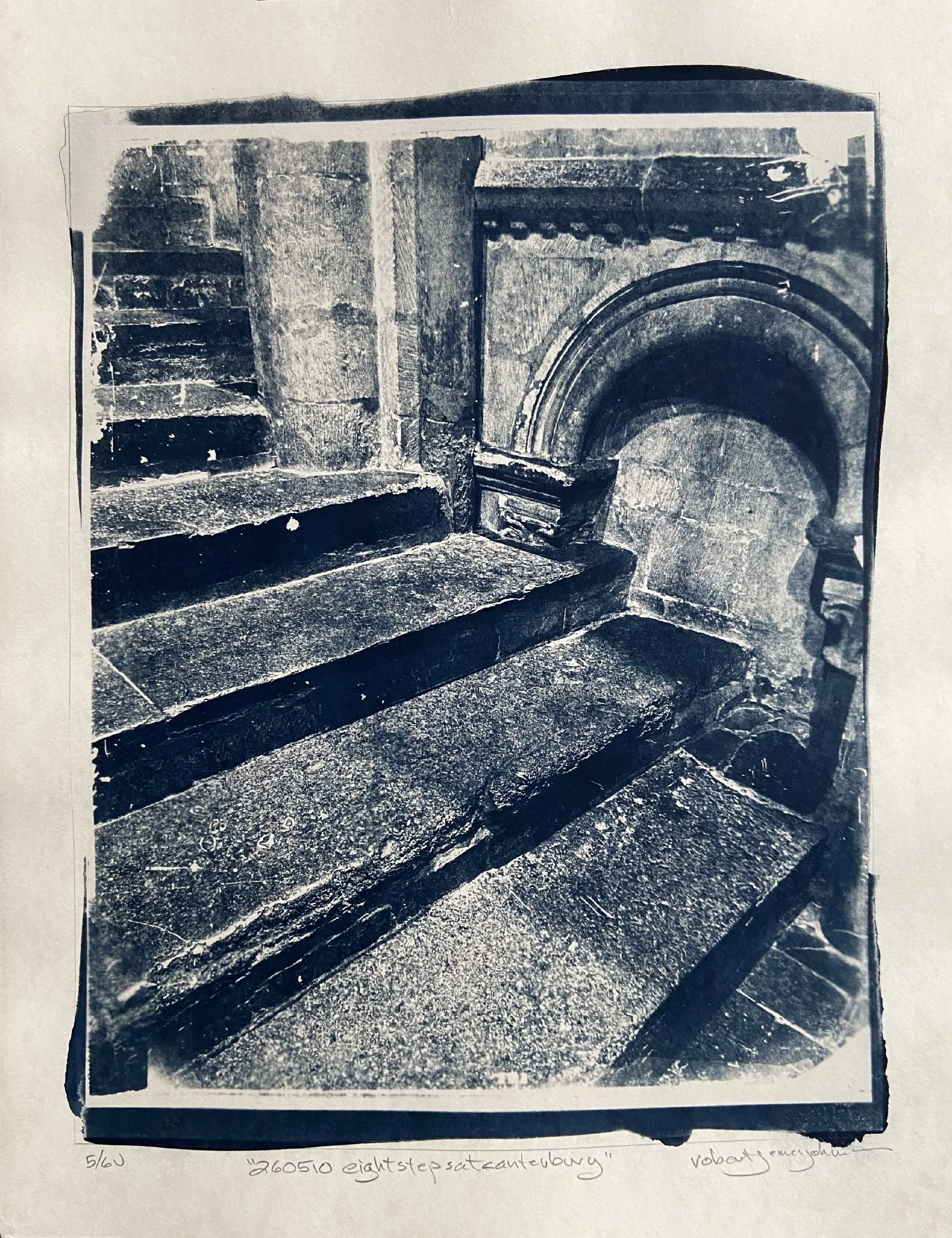
260510 Eight Steps at Canterbury - Cyanotype on Paper
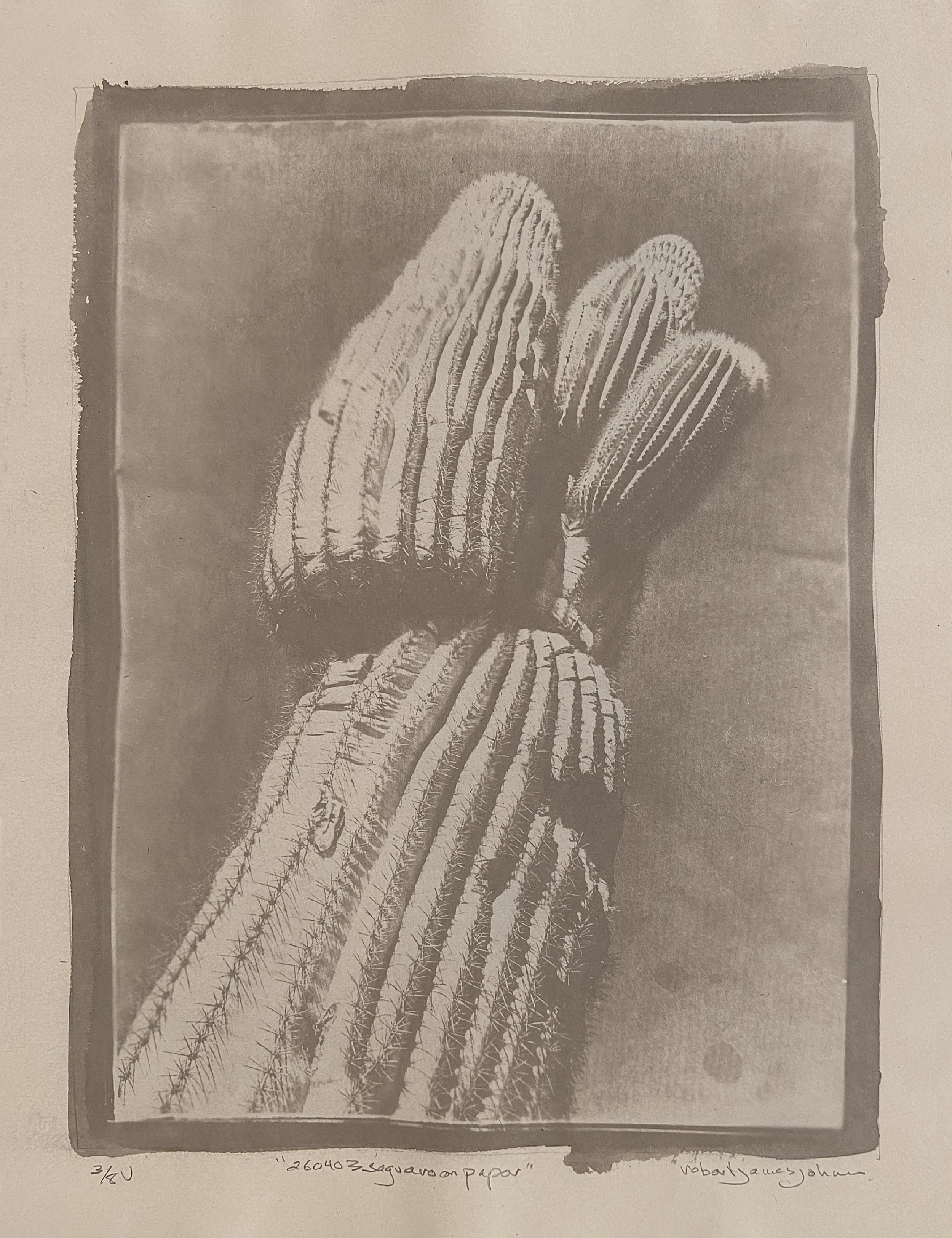
260403 Saguaro on Paper - Cyanotype on Paper - Bleached and Toned with Coffee
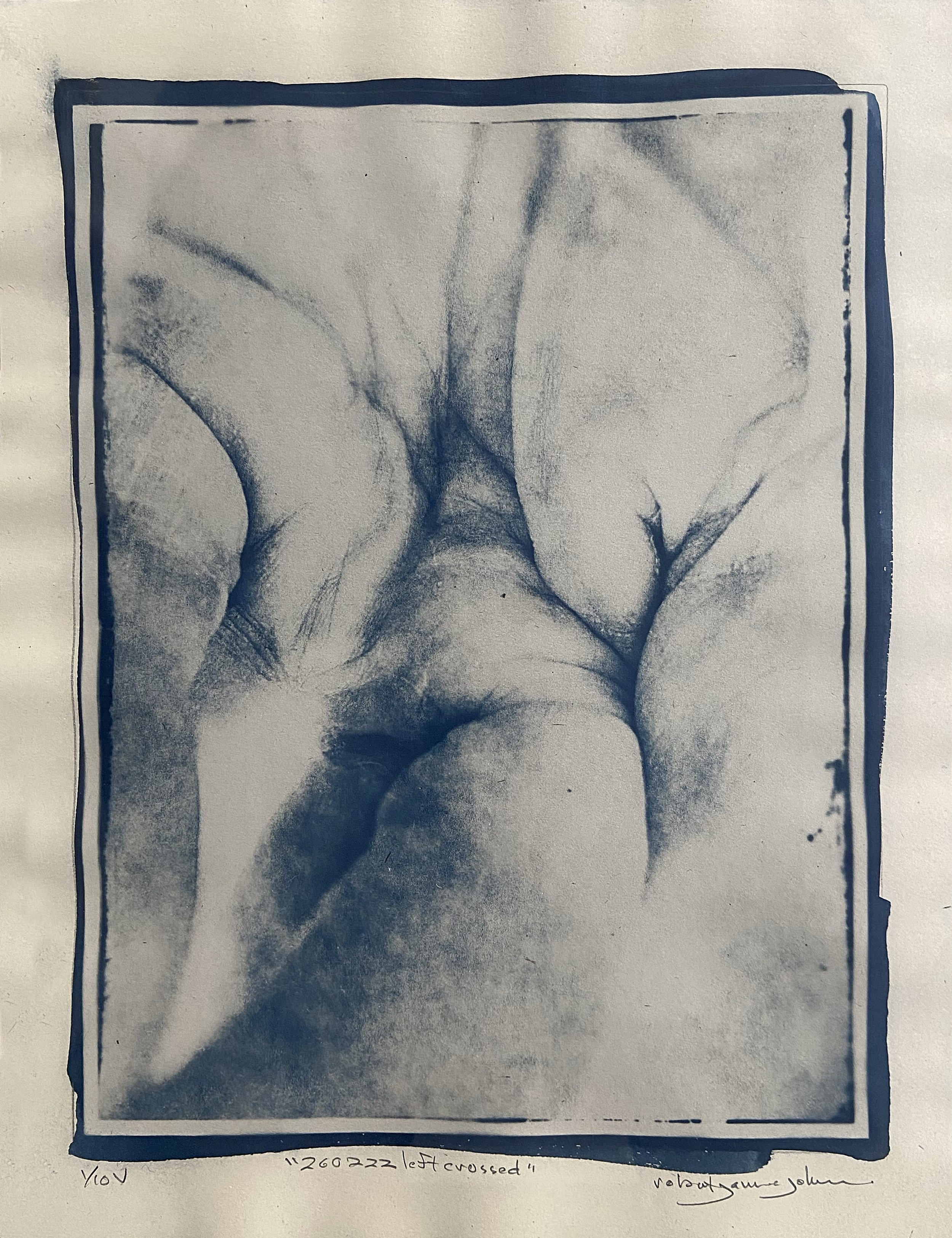
260222 Left Crossed - Cyanotype on Paper - Toned with Peppermint
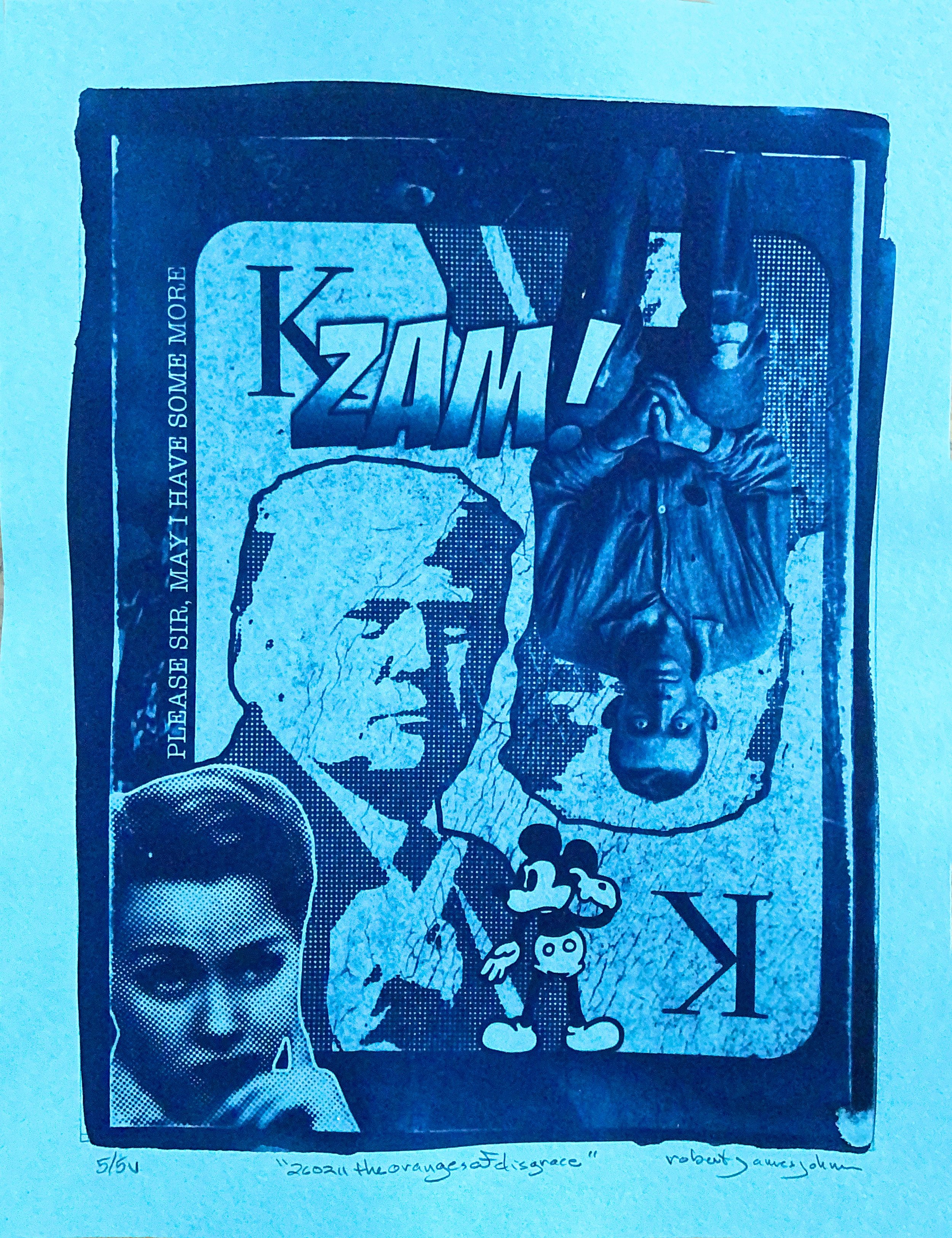
260211 The Oranges of Disgrace - Cyanotype on paper
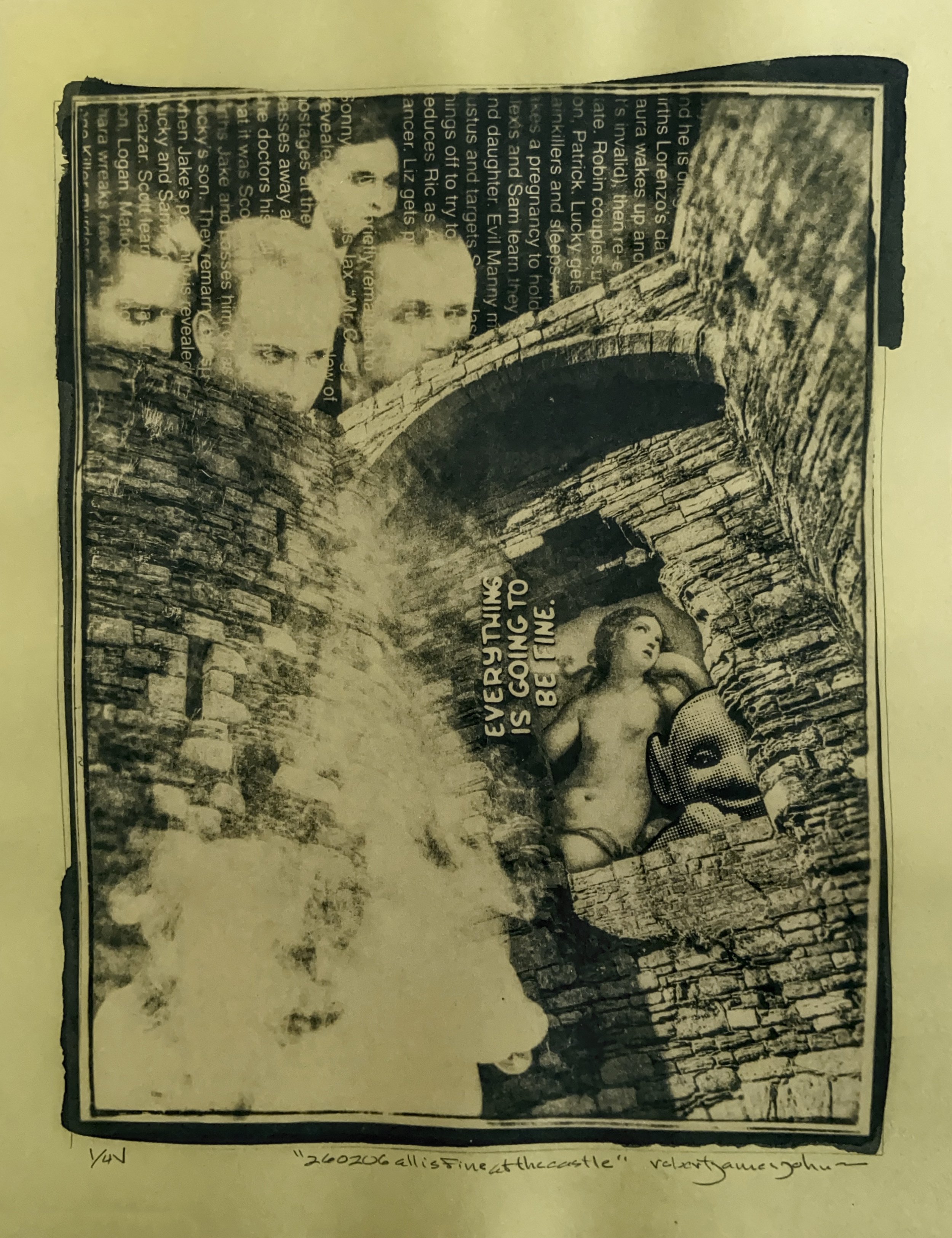
260206 All Is Fine At The Castle - Cyanotype on Paper

250208 Seeding Gore Creek - Cyanotype on Paper

250912 Aspen's Aspens - Cyanotype on Paper
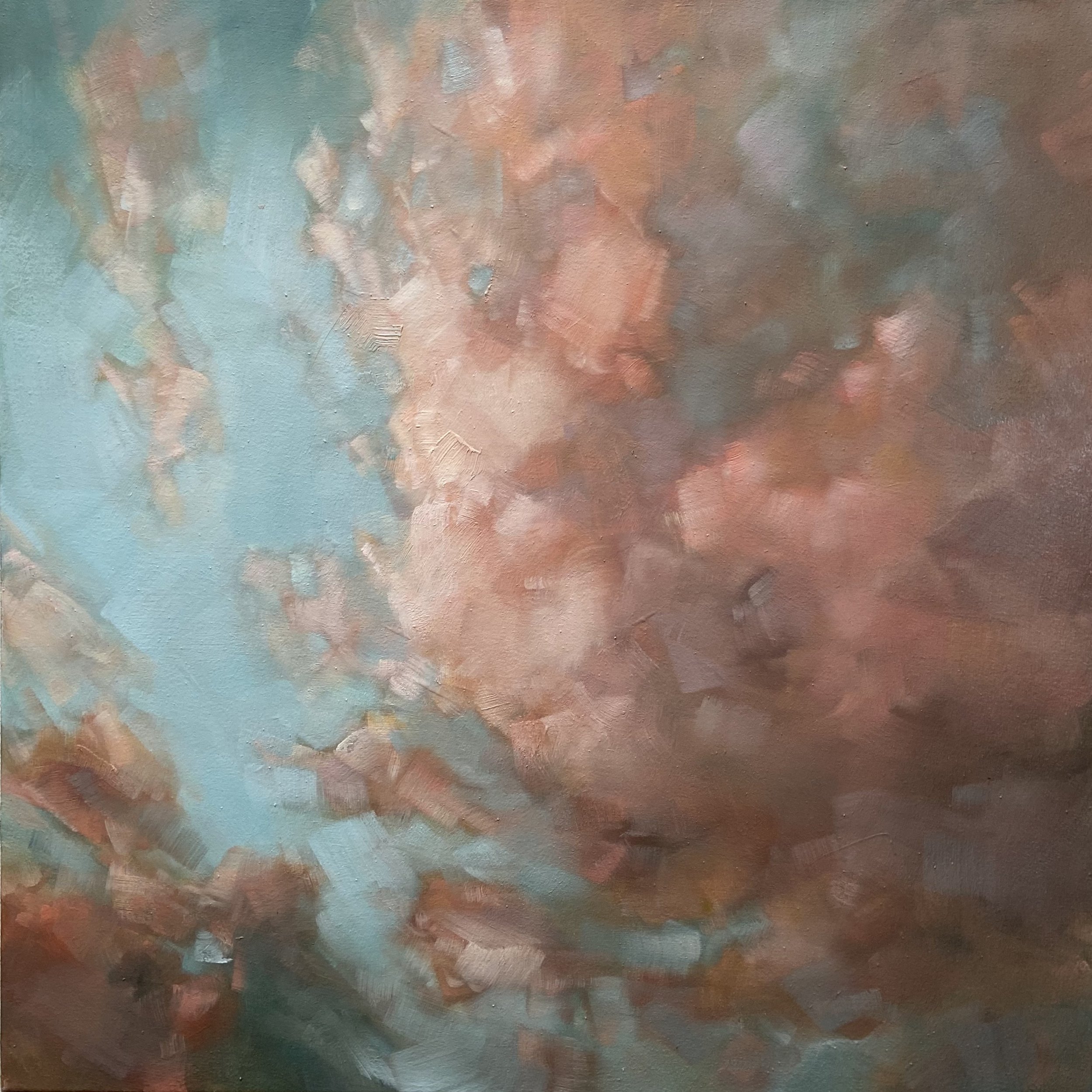
Santa Fe Boucher - 220708 - Oil Color on Canvas

250401 April's Ornament - Toned Cyanotype on Paper

Abiquiu Plaza Blanca 2017-071917 - Monotype on Paper

Wupatki Pueblo Ruins - 240816 Cyanotype on Paper

Realized In Vail - 241102 - Toned Cyanotype on Paper

250103 Taos Ascension - Cyanotype on Stretched Canvas

Sedona Arizona HiLine Trail Juniper 120319-121619 - Monotype on Paper

Meanwhile In Europe - 240828 - Cyanotype on Paper

I Am Your Protector - 241008 - Cyanotype on Paper

Santa Fe Cruciform - 220307 - Cyanotype on Paper

Sangre de Cristos Ravens Ridge 220715 - Bleached and Toned Cyanotype on Paper

Sky Candy 230127 - Oil Color on Stretched Canvas

250204 Twelve Point Four - Cyanotype on Paper

Sedona Arizona HiLine Trail Juniper 120319-012120 - Monotype on Paper

250402 Various Indians - Toned Cyanotype on Paper
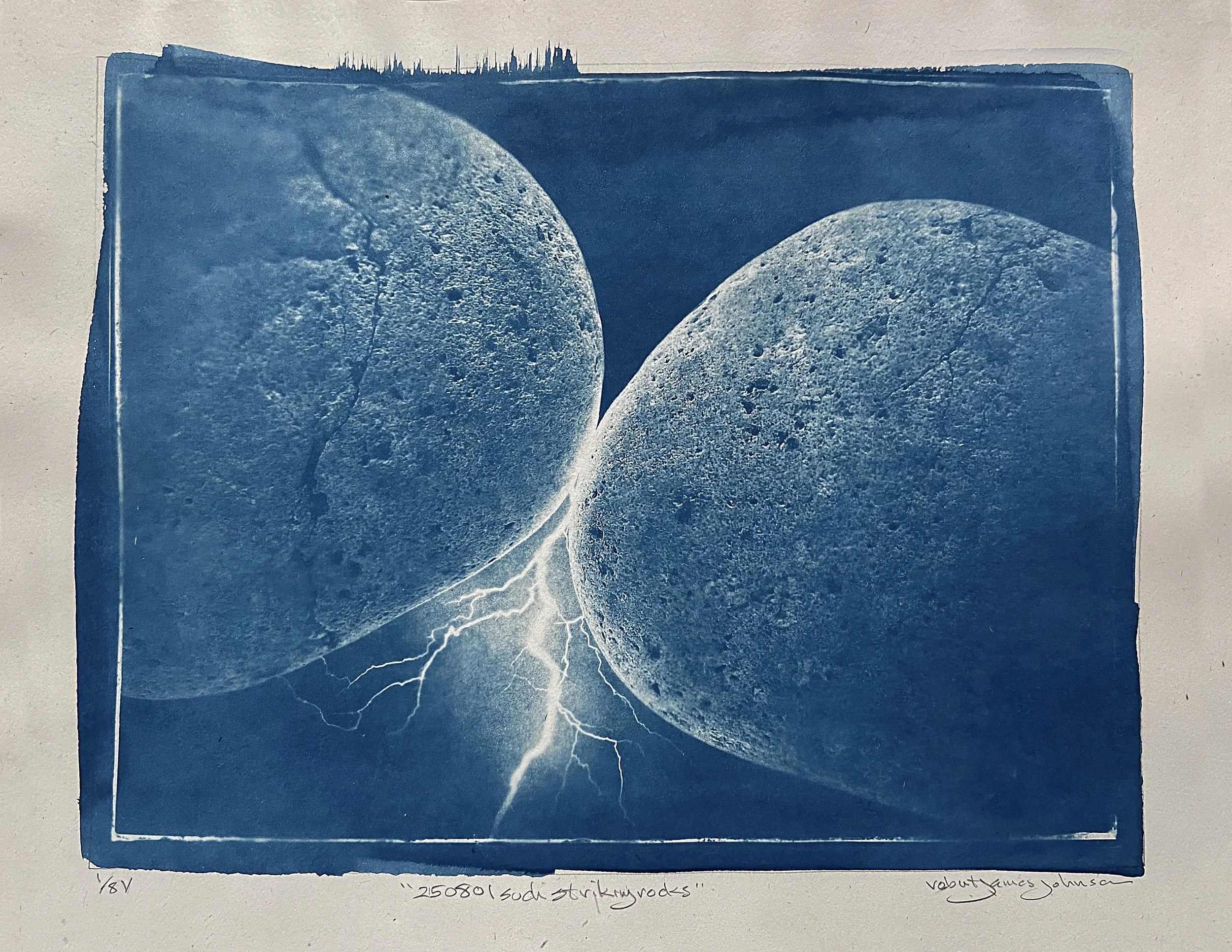
250801 Such Striking Rocks - Cyanotype on Paper

250721 Under Below - Toned Cyanotype on Paper
Creating a Cyanotype
This is how I create permanent photographic prints on paper using chemistry discovered by Sir John Herschel in 1842. I don’t always listen to Django Reinhardt, but it helps.
No darkroom is required, only a digital image converted to a negative, an inkjet printer, paper, a bit of non-toxic chemistry, sun and water. The paper used in this demonstration video is one of my favorites, Sour Apple Pop-Tone, an acid-free 120lb cover paper from the French Paper Company of Niles, Michigan. In fact nearly any substrate can be used. I’ve successfully printed on raw canvas, river rock, tea bag paper, wood planks, and glass. Toning is not necessary, but does convert the Prussian Blue image to a variety of permanent sepias and blue/blacks.
Using just the sun, the sky is the limit.


